
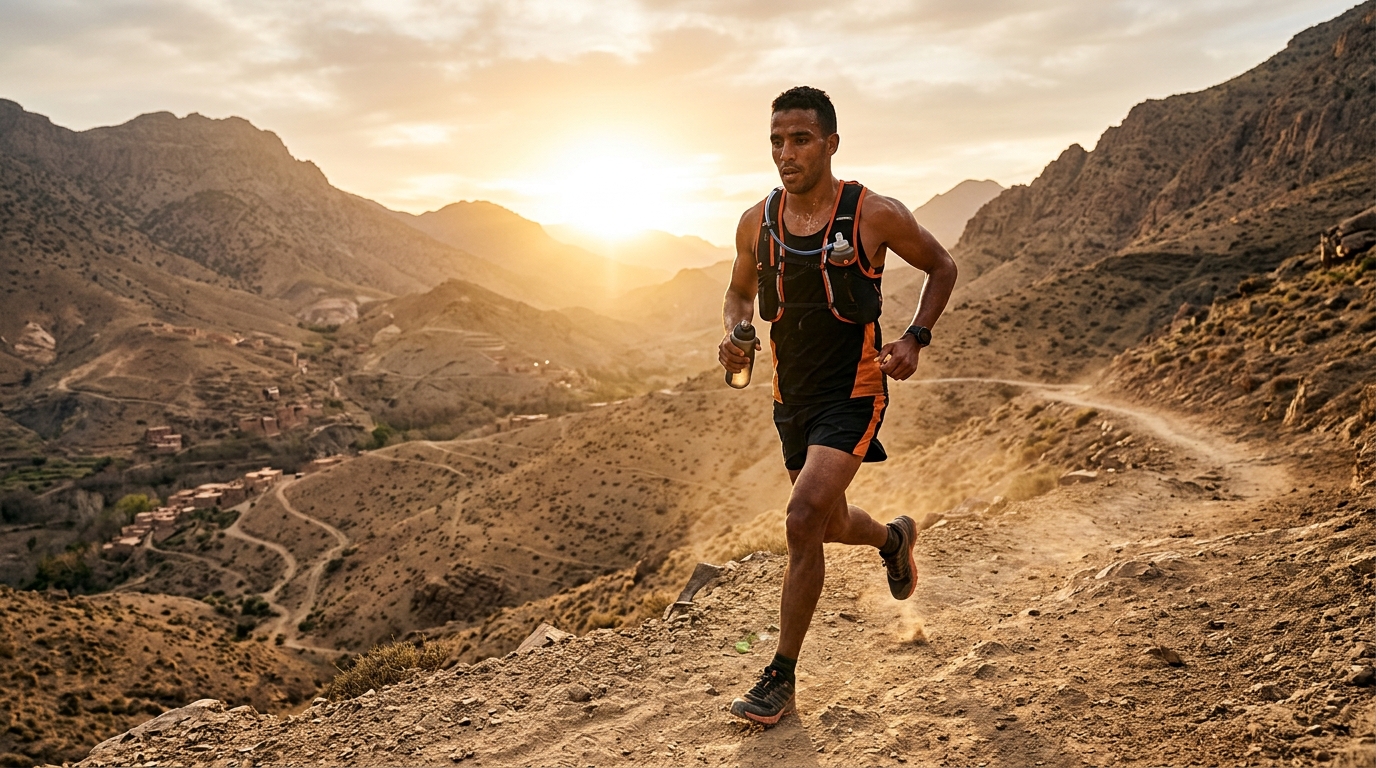
As outdoor fitness cultures expand worldwide, athletes and active travelers face distinct physiological challenges when training in arid and semi-arid climates. Morocco—renowned for its diverse topography spanning Atlantic coastlines, the Atlas Mountains, and the fringes of the Sahara—serves as a primary case study for how environmental temperature directly dictates physical performance and physiological resilience.
The Multi-Tiered Benefits of Consistent Physical Activity
Regular exercise serves as a cornerstone of preventive healthcare, exerting profound effects across cardiovascular, metabolic, and mental health domains. Sustained physical activity:
- Enhances Cardiovascular Efficiency: Regular aerobic exertion strengthens myocardial tissue, regulates blood pressure, and lowers systemic inflammation.
- Optimizes Metabolic Regulation: Physical movement enhances insulin sensitivity and stimulates glucose transporter proteins (GLUT4), curbing long-term risks of type 2 diabetes.
- Fosters Neurological and Mental Resilience: Exercise triggers the release of brain-derived neurotrophic factor (BDNF) alongside endorphins, mitigating depressive symptoms and strengthening cognitive retention.
The Environmental Reality: Training in Morocco's Microclimates
Training across Morocco exposes individuals to radically shifting heat indexes. While coastal cities like Casablanca and Tangier feature high relative humidity, interior hubs such as Marrakech, Fes, and Ouarzazate frequently record dry heat exceeding 40°C during peak periods. In arid regions, sweat evaporates so quickly that athletes often underestimate fluid loss, heightening the risk of heat exhaustion, hyponatremia, and heatstroke.
Protocols for Staying Adequately Hydrated
Effective hydration in warm Mediterranean and desert ecosystems requires a deliberate, electrolyte-focused strategy rather than casual water consumption:
- Pre-Hydration Architecture: Consume 400 to 600 ml of fluid with light electrolytes roughly two hours prior to exertion to achieve euhydration without overloading renal clearance.
- Electrolyte Replacement Over Pure Water: Heavy sweating depletes crucial sodium, potassium, and magnesium reserves. Drinking hypotonic or isotonic oral rehydration solutions prevents exercise-associated hyponatremia.
- Strategic Timing: Align strenuous training sessions with early morning hours (before 08:00) or post-sunset windows, avoiding zenith solar radiation.
- Nutritional Hydration: Integrate local seasonal produce with exceptional water content, such as watermelon, oranges, and cucumbers, which supply bioavailable water alongside vitamins.
Adopting disciplined hydration practices alongside regular workouts allows both residents and visitors in Morocco to harness the systemic benefits of fitness while mitigating thermal stress.