
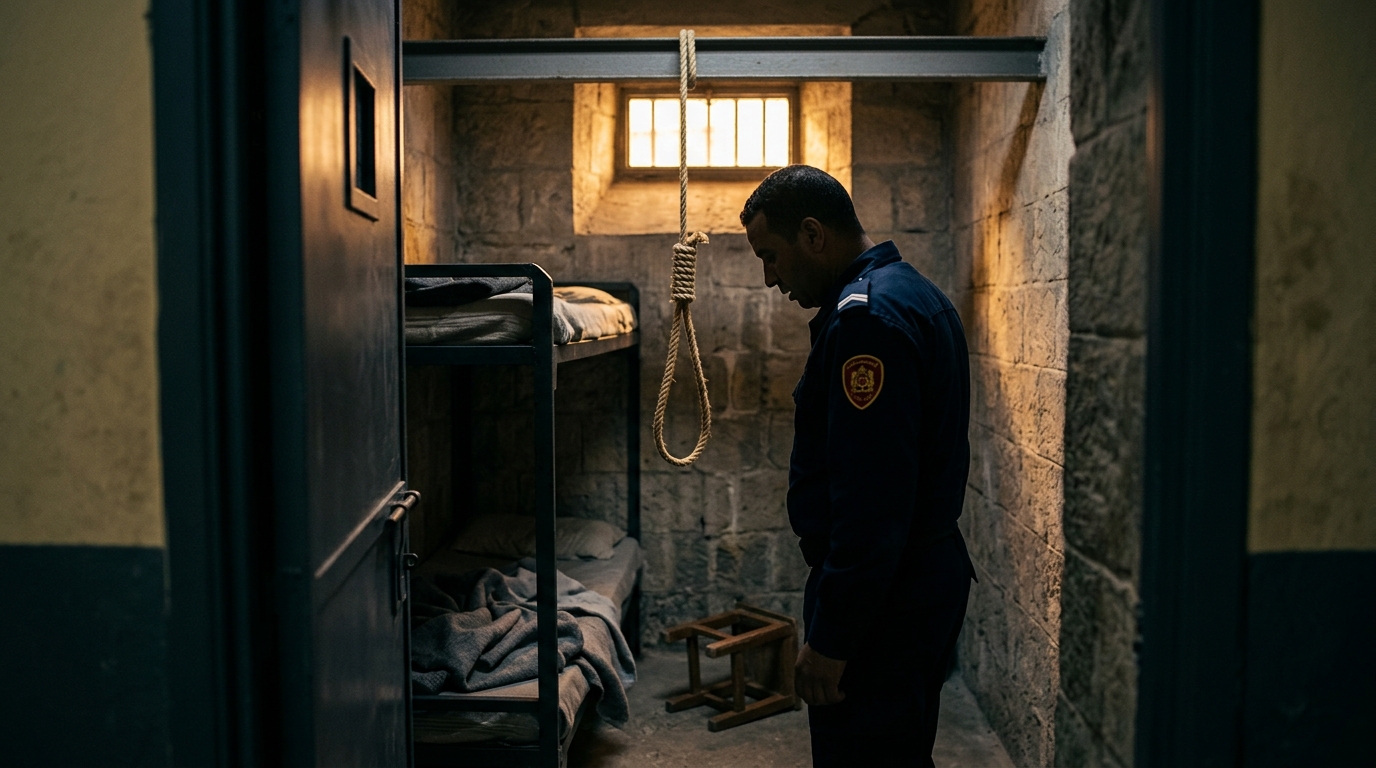
Sensational claims regarding the mental and physical condition of Tangier’s incarcerated mayor, Mounir Laymouri, have emerged following reports from Spanish digital outlet The Objective. The publication alleged that Laymouri attempted to take his own life on two separate occasions while held at the local prison in Asilah, situated south of Tangier. However, Moroccan penitentiary authorities and judicial officials have issued no confirmation of these purported incidents, leaving the claims unverified amid high public interest.
Sensational Claims from Spanish Media
According to anonymous sources cited by the Spanish outlet, Laymouri’s psychological stability and physical health have deteriorated sharply since his remand into custody. The report asserted that two self-harm incidents occurred within days of each other, allegedly requiring immediate medical intervention from prison staff. Furthermore, The Objective described severe overcrowding, claiming the mayor has been housed in a collective cell alongside approximately fifty inmates. Neither the General Delegation for Prison Administration and Reintegration (DGAPR) nor Laymouri’s legal counsel have corroborated the claims regarding either the suicide attempts or the specific detention conditions described.
The Core Charges: Why Laymouri Was Detained
Laymouri, a prominent figure in the Authenticity and Modernity Party (PAM), was placed in pre-trial detention in early October. The magistrate ordered his remand following extensive preliminary inquiries into alleged electoral manipulation and financial improprieties surrounding recent legislative and municipal contests. The judicial probe centers on suspicions of illicit campaign financing, vote buying, and leveraging municipal leverage to tilt local political balances in northern Morocco.
The arrest sent shockwaves through Morocco's political landscape, signaling a tightened regulatory perimeter around municipal officials ahead of future national electoral cycles. State prosecutors have increasingly prioritized transparency and electoral integrity, subjecting high-ranking elected officials to judicial scrutiny that previously seemed uncommon.
Administrative Paralysis and Real Estate Fallout
Beyond the courtroom drama, Laymouri’s detention has effectively paralyzed administrative decision-making in Tangier, the Kingdom’s secondary economic engine and premier northern logistics hub. For months, the municipal council had wielded decisive oversight over zoning clearances, municipal procurement contracts, and commercial building permits. The sudden removal of the municipal leadership has suspended bureaucratic approvals, placing dozens of major infrastructure and residential developments in limbo.
The sudden leadership vacuum has highlighted structural governance risks for institutional investors and construction firms across the region. A deeper examination of how the mayor’s legal woes abruptly interrupted municipal approvals and stalled the city's construction pipeline is detailed in this analysis of the Tangier real estate freeze and the administrative vulnerabilities facing developers.
Public Scrutiny and Due Process
While unverified accounts of medical emergencies in Asilah prison continue to circulate through foreign media channels, local observers are urging caution against premature narratives. As the investigative judge continues depositions, Tangier's business community and local constituents remain focused on the institutional implications: restoring functionality to municipal governance while allowing judicial accountability to run its course without external distortion.