
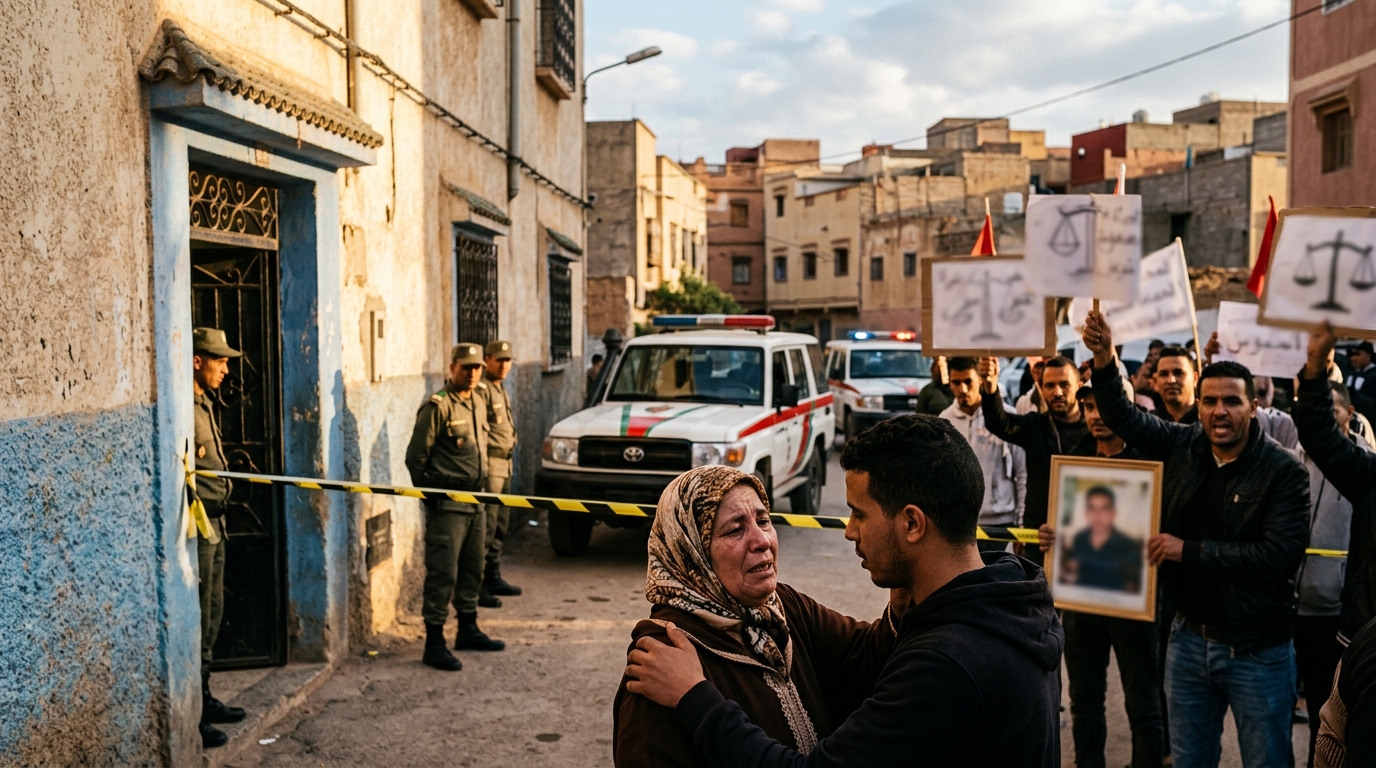
A severe domestic altercation over residential rental arrangements in the central Moroccan city of Khénifra has ended in tragedy, culminating in the formal detention of a 65-year-old tenant accused of stabbing two sisters, one fatally. Judicial authorities in the Beni Mellal-Khénifra region placed the suspect in custody following a preliminary detention phase that ignited local controversy and prompted calls for an independent review by civil rights monitors.
Fatal Confrontation Over Property Ownership
According to regional investigative sources, the deadly encounter stemmed from an unresolved and increasingly hostile disagreement between the tenant and his landlords. The property in question belonged to the victims' family. Following a verbal dispute that rapidly deteriorated into physical violence, the suspect allegedly produced a bladed weapon, launching a violent assault on both women.
The elder victim, aged 47, suffered critical injuries and was evacuated across provincial lines to an intensive care unit in Fez, where medical personnel attempted to stabilize her condition. She succumbed to her wounds on October 8. Her surviving sister remains under medical supervision, with attending physicians confirming that her vital signs have since stabilized following emergency interventions.
Civil Society Raises Questions Over Custodial Procedures
Beyond the immediate shock within the Middle Atlas community, the handling of the suspect post-arrest became a catalyst for civic unrest. Public scrutiny intensified after local residents discovered the 65-year-old suspect spent several days admitted to Khénifra’s provincial hospital undergoing treatment for undisclosed health complications, rather than being remanded directly into a detention facility.
The Khénifra branch of the Moroccan Association for Human Rights (AMDH) issued an official statement condemning the violence and raising formal procedural concerns. The human rights watchdog demanded:
- An impartial, transparent administrative investigation into the suspect’s custodial timeline and the justification for his hospital stay.
- Institutional legal protection and security guarantees for the surviving victim and her family against potential retaliation.
- Strict adherence to Moroccan criminal procedural codes to ensure uncompromised accountability before the King’s Prosecutor.
The Broader Context of Moroccan Tenancy Friction
While extreme physical violence remains relatively uncommon in urban tenancy disputes across Morocco, civil conflicts regarding lease contracts, rental arrears, and eviction enforcement have steadily burdened judicial dockets. Under Moroccan Law 67-12—which regulates residential lease agreements between lessors and lessees—remedies for eviction and property default are strictly circumscribed by procedural filings before courts of first instance. However, informal leasing practices and delays in resolving civil claims often generate intense personal friction, which can deteriorate when economic strain overlaps with protracted residential gridlocks.
The public prosecution is currently pursuing a formal indictment against the suspect, encompassing charges of voluntary manslaughter and aggravated assault with a lethal weapon. Legal experts anticipate that trial proceedings in the regional Court of Appeal will focus closely on pre-incident disputes, the timeline of weapon procurement, and the suspect’s clinical records during his custody.