
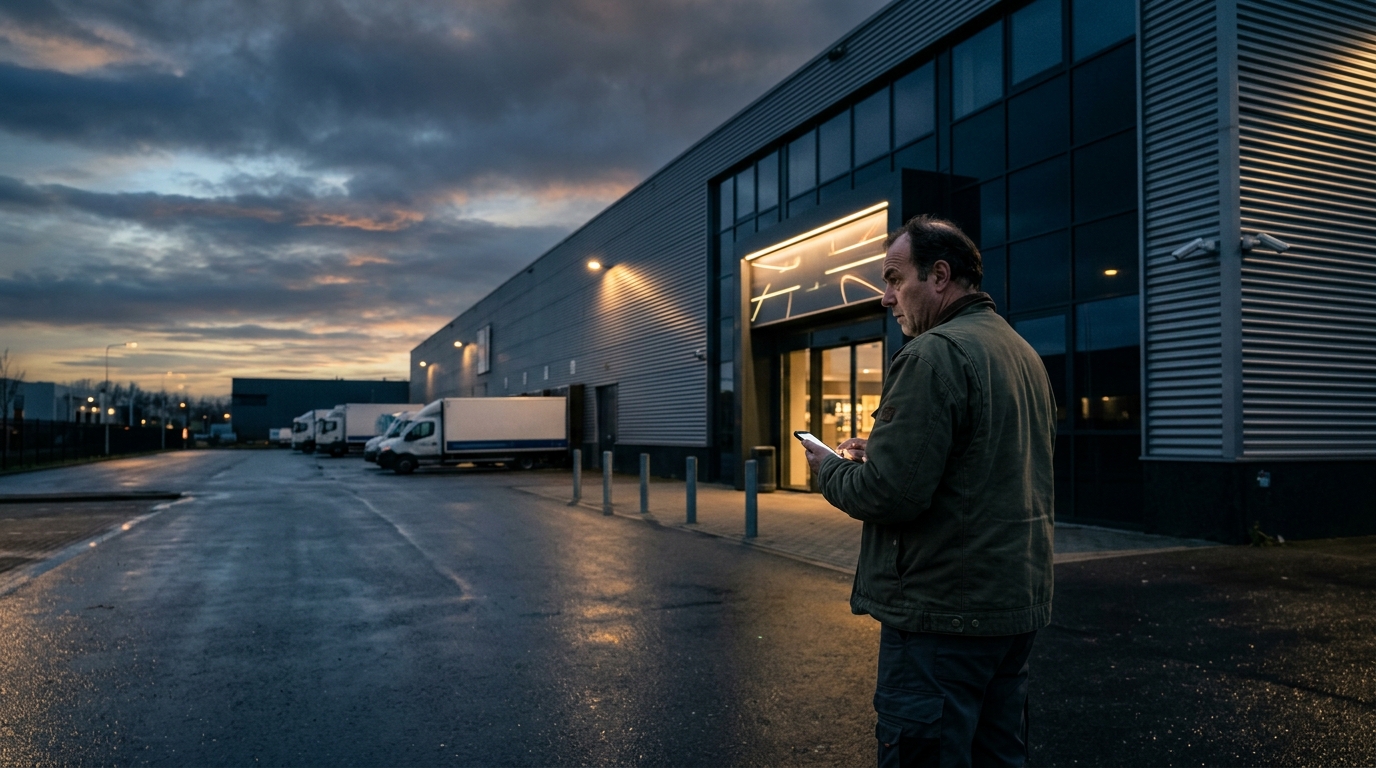
ZAANDAM – A gripping digital crisis has brought operations at Albert Heijn, the undisputed giant of the Dutch supermarket landscape, to a grinding halt. Since Sunday afternoon, October 11, 2026, the retailer alongside sister chains Etos and Gall & Gall has been reeling from what corporate executives carefully term a "cybersecurity incident." But as delivery vans sit idle, digital price tags malfunction, and fresh produce shelves sit entirely empty, a burning question echoes across the industry: Is the country’s largest food provider masking a full-scale criminal hack to protect its public image?
The Official Narrative vs. The Reality on the Ground
According to official press releases from parent company Ahold Delhaize, the massive disruption is the result of "precautionary measures." The company states it chose to proactively take critical systems offline to isolate a "security issue within its network". They have repeatedly stressed that there is currently no evidence suggesting customer or employee data has been compromised.
Yet, the sheer scale of the fallout tells a far more severe story. Several distribution hubs have seen their logistical frameworks entirely disabled, rendering automated inventory management impossible. The official Albert Heijn app and home delivery services remain completely dark. While physical brick-and-mortar stores remain open, the breakdown of back-end infrastructure has triggered localized panic-buying of essentials like toilet paper, while fresh fruit, vegetables, and dairy supplies have dwindled to nothing in various regions.
The Strategy of Silence: Why Corporations Hide the Word "Hack"
To understand why Albert Heijn is relying on sterilized corporate jargon like "incident" or "security issue," one must look at the playbook of modern crisis PR. Labeling an event an "active hack" or a "ransomware attack" carries immediate, catastrophic consequences for a publicly traded multi-billion-dollar enterprise.
- Mitigating Public Panic: Acknowledging that cybercriminals have actively breached the internal defenses of the nation's primary food supply chain could trigger widespread hoarding and volatile consumer behavior. By framing the outage as a self-imposed, controlled shutdown, the company retains a narrative of being "in control."
- Protecting Shareholder Value: The financial markets react brutally to digital vulnerabilities. On Monday alone, the uncertainty surrounding the IT blackout caused Ahold Delhaize to shed hundreds of millions of euros in market valuation on the Amsterdam stock exchange. Formally admitting to a successful hostile intrusion would heavily compound those losses.
- Buying Time for Legal and Technical Verification: Under strict European GDPR guidelines, companies face staggering fines if they mismanage data breach disclosures. Furthermore, companies are required to report verified hacks to regulators like the Dutch Data Protection Authority (AP) within 72 hours. By maintaining that they are still "investigating the nature of the issue," corporate lawyers buy crucial hours to determine exactly what has been taken before making a legally binding declaration.
What Clues Point Toward a Successful Breach?
Independent cybersecurity specialists are increasingly skeptical of the "purely precautionary" narrative. Several technical realities point directly toward a successful, deeply penetrating network intrusion:
- The Drastic "Kill-Switch" Response: Network security teams rarely paralyze their own multi-million-dollar commercial revenue streams—such as shutting down the entire web infrastructure and halt distributions hubs—unless an active threat is already spreading laterally through the system. The complete shutdown of automated systems strongly mirrors a containment strategy used against file-encrypting ransomware.
- Foreign Traffic Identification: Security insiders have indicated that the crisis was triggered after detection mechanisms identified aggressive, malicious traffic routing through proxy servers across multiple international jurisdictions. The defensive response was an emergency effort to stop threat actors from digging deeper into core financial and logistics architecture.
- The European Retail Pattern: The timing of Albert Heijn's crisis is incredibly conspicuous. It directly coincides with an unprecedented cyberattack in France that targeted digital commercial refrigeration systems, causing catastrophic inventory loss for major French supermarket groups. Simultaneously, other international retail groups have reported sudden "digital security anomalies," hinting at a coordinated campaign targeting European retail supply infrastructure.
The Verdict: How High is the Probability?
Top-tier cybersecurity analysts monitoring the situation state that the probability of this being a full-scale, hostile cyberattack stands at nearly 95%. In the modern threat landscape, systems of this complexity do not experience multi-day, synchronized logistics failures across multiple sub-brands (including Etos and Gall & Gall) due to simple software glitches or minor external pings.
While Albert Heijn’s quick actions may have successfully isolated their most sensitive data repositories, the ongoing paralysis of the Dutch supply chain confirms that a digital war was brought directly to their doorstep. CEO Margaret Versteden-van Duijn has warned that a return to baseline operations could take up to a full week. Until the systems are fully cleansed and restarted, the line between a controlled corporate containment and a devastating digital ambush remains paper-thin.