Morocco is experiencing an unprecedented tourism boom. With a staggering 15.7 million visitors recorded in just the first nine months of 2026, the Kingdom has officially smashed all previous travel records. From the bustling alleys of Marrakech to the coastal swells of Taghazout, the infrastructure is buzzing, and immediate cash registers are ringing. However, this massive influx of global citizens uncovers a deeper, more critical question for the nation's economic future: How does Morocco convert these fleeting vacationers into permanent wealth for its people?
For the younger generation of Moroccan entrepreneurs, looking past immediate, one-off service transactions reveals the true goldmine. By shifting focus from the temporary holidaymaker to the long-term international business partner, the country can leverage this historic travel wave to build a highly sustainable, digital-first economy.
The Tourist as a Networking Asset
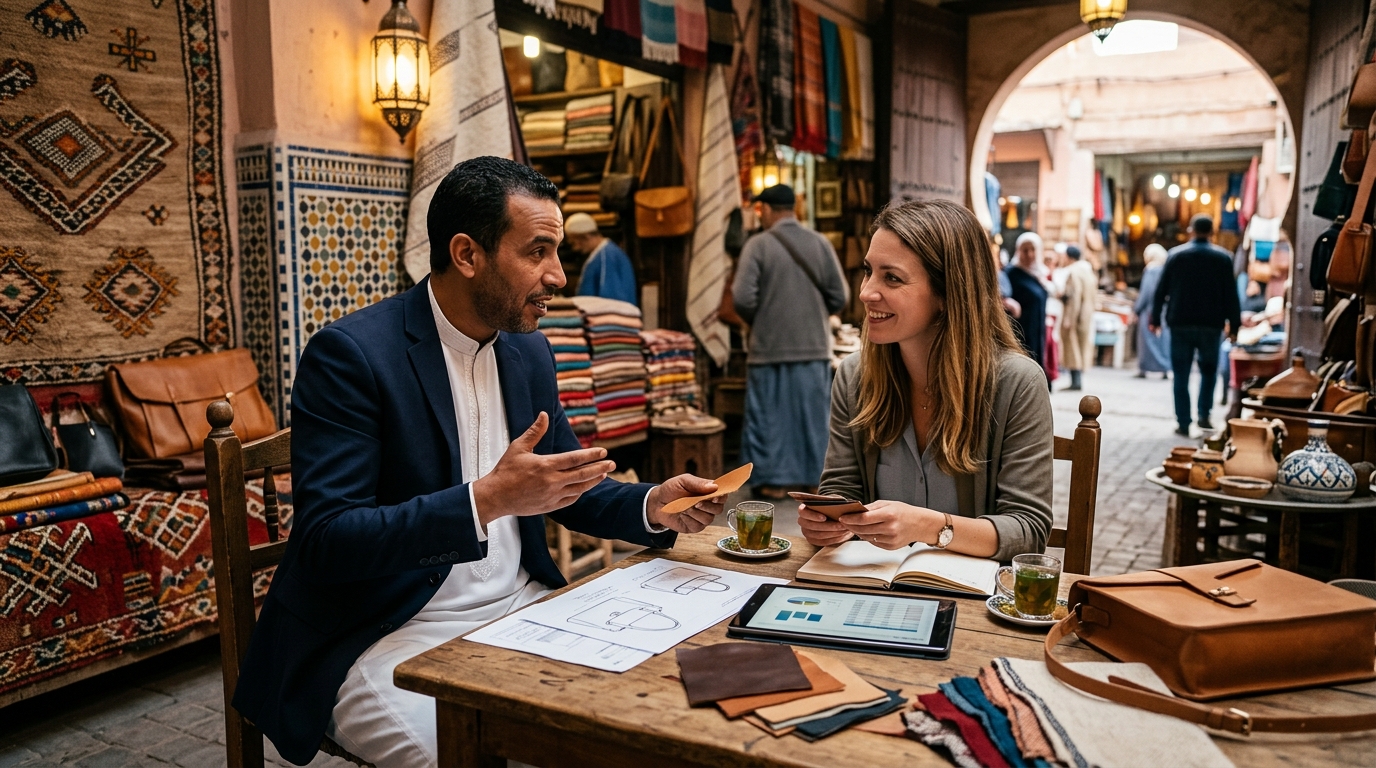
The millions of people arriving at Moroccan airports each week are not just consumers looking for a suntan. They are international investors, tech professionals, software developers, and corporate decision-makers. They arrive, immerse themselves in the local culture, fall in love with the country's hospitality, and then board a flight back home. Currently, the economic relationship ends the moment they go through airport security.
To break away from traditional "low-value" content models, local businesses must treat every tourist as a high-value networking opportunity. When a traveler experiences Morocco, they develop high emotional trust in the country. This trust is the most difficult barrier to break in international business, and tourism hands it to Moroccan entrepreneurs on a silver platter.
Leveraging Digital Infrastructure for Global Scale
Turning a casual connection into a lasting business partnership requires a modern, digital approach. Instead of traditional hospitality jobs, the real growth lies in scalable online services:
- Direct-to-Consumer (D2C) Export: A tourist impressed by Moroccan craftsmanship, textile quality, or organic argan agriculture shouldn't stop buying when they leave. By launching high-end e-commerce platforms backed by international SEO and secure global logistics, small Medina-based businesses can transform into worldwide digital brands.
- B2B Digital Agencies: International business owners visiting Morocco frequently notice local market opportunities but lack cultural and linguistic insights. Young Moroccan remote professionals, fluent in multiple languages, can pitch themselves as regional digital partners—offering web development, localized branding, and search engine optimization for international firms looking to enter the African and MENA markets.
- Localized Software Solutions (SaaS): Travel always exposes friction points, from transport coordination to localized payment barriers. Moroccan developers have a unique edge: they can design niche software platforms that solve these problems domestically, test them with foreign users on the ground, and then scale those business models globally with the help of international angel investors they met face-to-face.
Shifting from Transaction to Transformation
Real economic resilience is not built on filling more hotel beds or serving more pots of mint tea. True wealth is generated when a country owns the digital ecosystems and supply chains wrapping around its primary industries.
Morocco's current geopolitical stability and rising global profile provide the ultimate economic springboard. By embracing digital innovation, the new generation of Moroccan creators can turn brief holiday encounters into lifelong cross-border ventures. The millions of guests visiting today shouldn't just leave with a suitcase full of souvenirs—they should leave with a signed business contract.
The Tourist as a Networking Asset
The millions of people arriving at Moroccan airports each week are not just consumers looking for a suntan. They are international investors, tech professionals, software developers, and corporate decision-makers. They arrive, immerse themselves in the local culture, fall in love with the country's hospitality, and then board a flight back home. Currently, the economic relationship ends the moment they go through airport security.
To break away from traditional "low-value" content models, local businesses must treat every tourist as a high-value networking opportunity. When a traveler experiences Morocco, they develop high emotional trust in the country. This trust is the most difficult barrier to break in international business, and tourism hands it to Moroccan entrepreneurs on a silver platter.
Leveraging Digital Infrastructure for Global Scale
Turning a casual connection into a lasting business partnership requires a modern, digital approach. Instead of traditional hospitality jobs, the real growth lies in scalable online services:
- Direct-to-Consumer (D2C) Export: A tourist impressed by Moroccan craftsmanship, textile quality, or organic argan agriculture shouldn't stop buying when they leave. By launching high-end e-commerce platforms backed by international SEO and secure global logistics, small Medina-based businesses can transform into worldwide digital brands.
- B2B Digital Agencies: International business owners visiting Morocco frequently notice local market opportunities but lack cultural and linguistic insights. Young Moroccan remote professionals, fluent in multiple languages, can pitch themselves as regional digital partners—offering web development, localized branding, and search engine optimization for international firms looking to enter the African and MENA markets.
- Localized Software Solutions (SaaS): Travel always exposes friction points, from transport coordination to localized payment barriers. Moroccan developers have a unique edge: they can design niche software platforms that solve these problems domestically, test them with foreign users on the ground, and then scale those business models globally with the help of international angel investors they met face-to-face.
Shifting from Transaction to Transformation
Real economic resilience is not built on filling more hotel beds or serving more pots of mint tea. True wealth is generated when a country owns the digital ecosystems and supply chains wrapping around its primary industries.
Morocco's current geopolitical stability and rising global profile provide the ultimate economic springboard. By embracing digital innovation, the new generation of Moroccan creators can turn brief holiday encounters into lifelong cross-border ventures. The millions of guests visiting today shouldn't just leave with a suitcase full of souvenirs—they should leave with a signed business contract.