
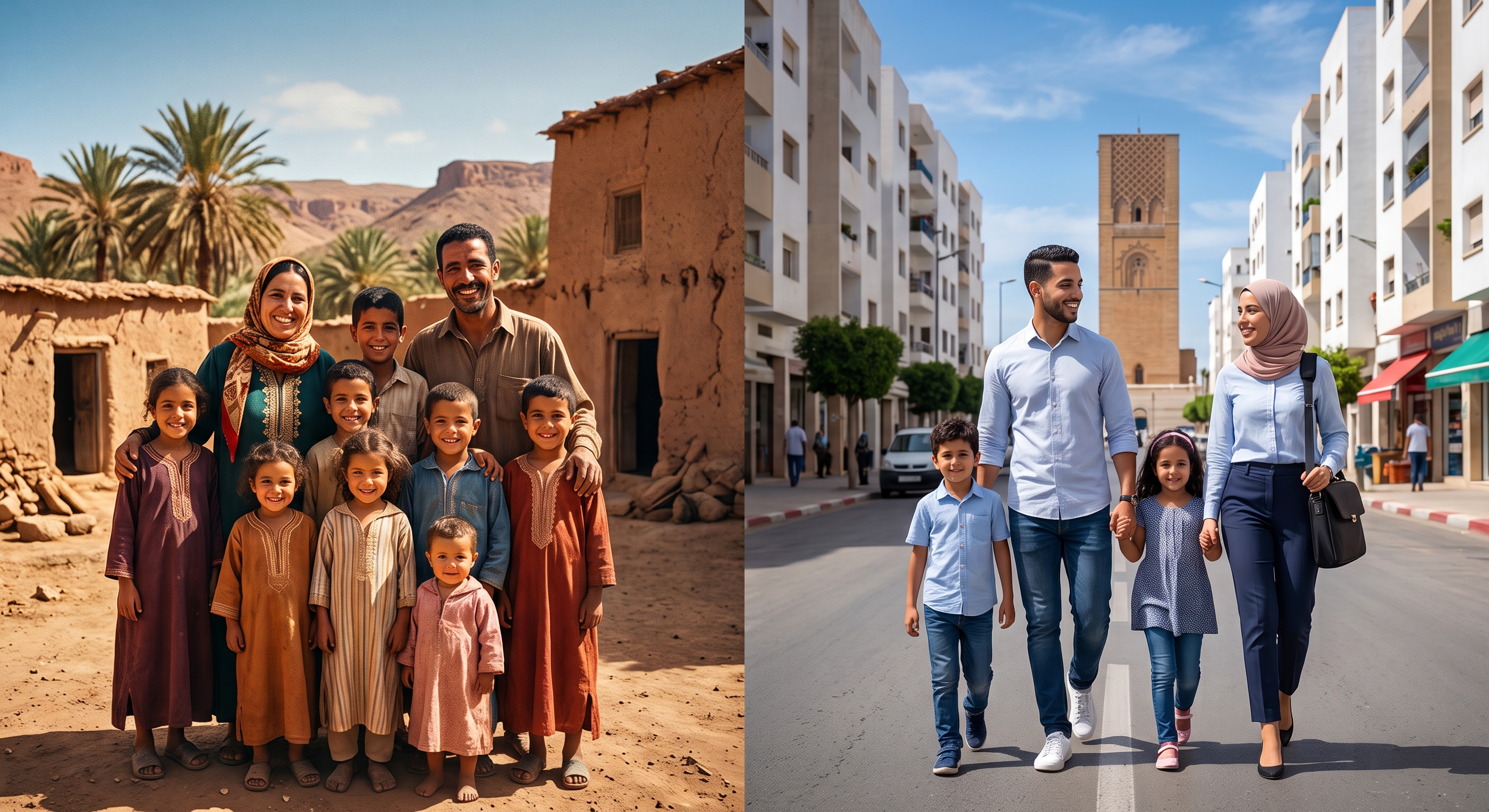
For a long time, families in Morocco wanted as many children as possible. People believed that having lots of kids meant they would have someone to take care of them when they grew old. But things have changed. Today, a Moroccan woman has an average of just 1.97 children. This is putting an end to the traditional way families used to work.
The birth rate in Morocco has never been this low. Back in the 1970s, it was normal to have seven or eight kids. Morocco is not the only country facing this. In Algeria, women now have slightly less than two children on average, and in Tunisia, it is down to 1.5. This is below the 2.1 children per woman needed to keep the population size stable.
Because of this drop, a women's organization named Azzahrae recently asked politicians to step in and help families. They suggested that the government should give cheap loans to young parents. They also asked for longer time off work for new mothers, since a lot more women have jobs these days.
For many regular people, starting a family in 2026 feels almost impossible. In the capital city of Rabat, 55-year-old Fouad explains the problem: "Young people are getting married much later because they cannot find jobs. Having kids is a huge responsibility."
Life is simply getting too expensive, especially things like daily shopping and education. Hanan, a 40-year-old single woman, says: "Even if you make 500 euros a month, how are you supposed to pay for rent, food, healthcare, and everything else?"
Economist Mohamed Jadri warns that time is running out and the government needs to wake up. He points out that the demand for hospitals and doctors will grow fast. The retirement system is also in big trouble. Very soon, there might be only one young worker paying taxes for every retired person.
If this trend continues, Jadri believes the population of Morocco will change a lot. He says the country will have to prepare for workers coming from other nations. "Today, your taxi driver, plumber, or electrician is Moroccan," Jadri says. "But in the future, that person might come from Egypt, Senegal, Mali, or another African country. This big change in society will definitely bring new challenges."