
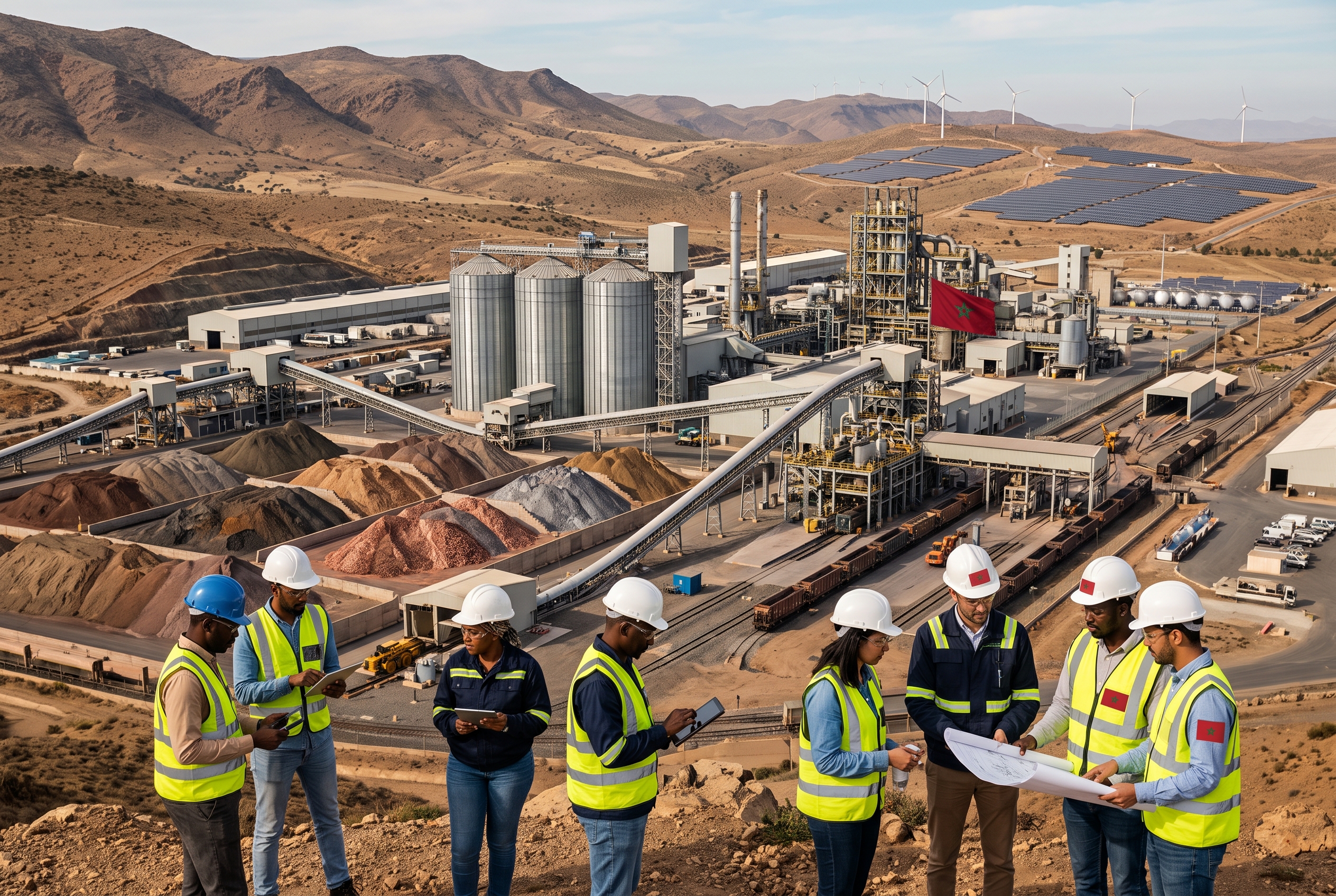
From Extraction to Local Processing
At the International Mining Congress (IMC Morocco 2026) in Rabat, the core message was clear: Africa must do more than just extract its natural resources. According to Mohamed Cherrat, president of the Moroccan mining federation, global demand for strategic minerals is skyrocketing due to the energy transition, new technologies, and electric mobility. While Africa is rich in these raw materials, it misses out on immense economic value by exporting them unprocessed. The new goal is to build local industries that process and refine these minerals, which will create skilled jobs, attract investment, and strengthen Africa's position in the global economy.
Morocco as the Ideal Hub
Morocco is perfectly positioned to lead this transformation. The country has a long-standing mining tradition, highly developed infrastructure, and a strategic geographic location that bridges Africa, Europe, and international markets. This strong foundation is paying off: in 2025, Morocco ranked 15th globally in the Fraser Institute's mining investment attractiveness index. Moving forward, Morocco aims to act as a vital link, connecting African raw materials with international capital, technology, and industrial capacity.
The Secret Ingredient: Courage and Collaboration
Minister of Energy Transition Leila Benali emphasized that entering this new industrial era requires one essential element: courage. She urged policymakers and investors to step out of their comfort zones and take the necessary risks to capture a larger share of the global value chain. Because not every African country has the capacity to process its own minerals, the solution lies in teamwork. By combining their unique strengths—pairing one nation's raw materials with another's competitive energy or infrastructure—African countries can build a highly competitive, integrated industrial network.
Sustainability and Protecting People
To lead by example, Morocco is actively modernizing its own mining sector. The country has introduced a digital mining registry, integrated renewable energy into mining operations, and opened a massive 2.7 million hectares for sustainable, international investment. Furthermore, Minister Benali stressed that the future of mining must put people first. Mining partnerships must look beyond the lifespan of a mine to ensure long-term economic survival for local regions, as seen in the case of Jerada. With new initiatives like the "Najaa" program, the government is taking active steps to protect frontline workers and support the sustainable development of local mining communities.