
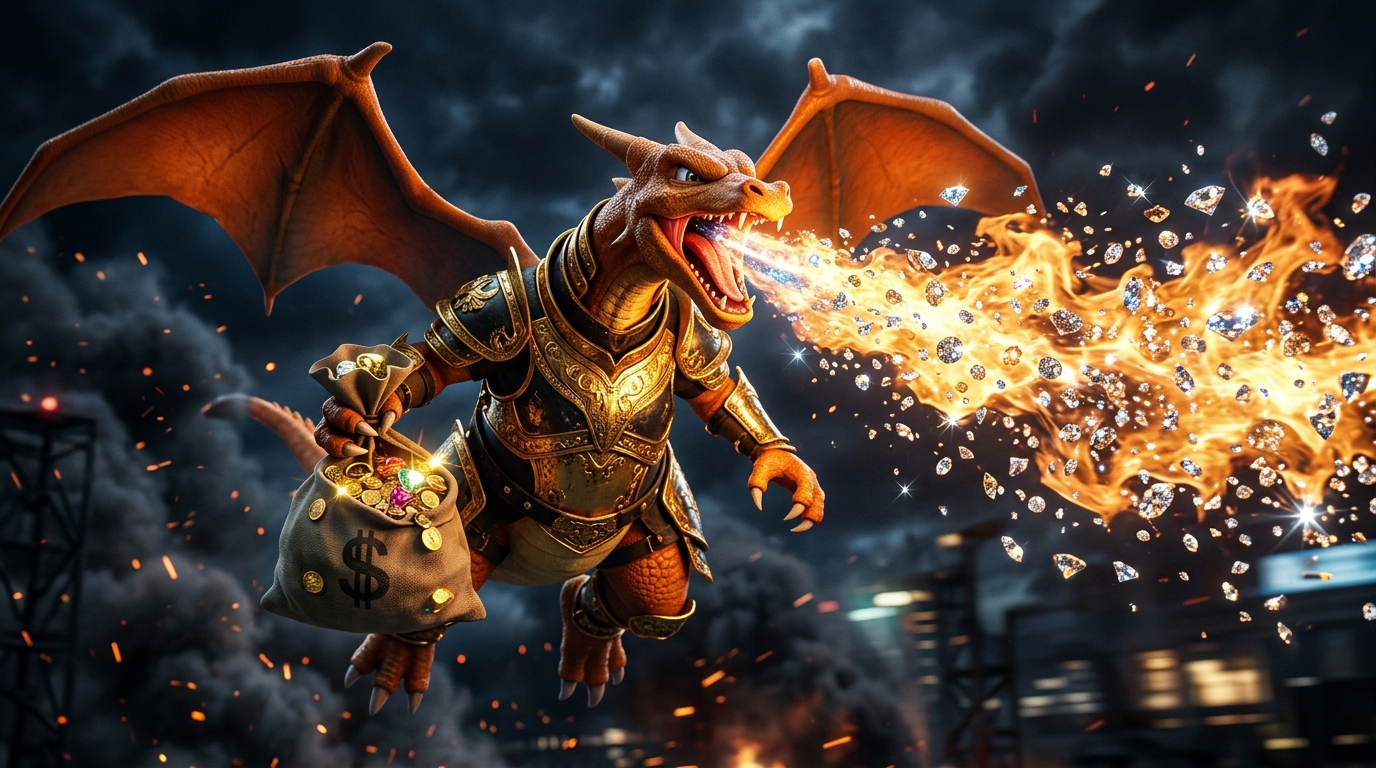
A pristine, first-edition holographic Charizard from the 1999 Pokémon Base Set has traded hands for an astonishing $1,385,274. The transaction, confirmed by Jazwares president and prominent collector Jeremy Padawer, sets a fresh benchmark for the iconic fire-breathing dragon and highlights the ongoing financialization of vintage pop-culture memorabilia.
A Blue-Chip Pop Culture Collectible
Graded in PSA 10 Gem Mint condition, the card represents the absolute pinnacle of preservation. According to Professional Sports Authenticator (PSA) census data, only 123 copies of the first-edition holographic Charizard hold this flawless designation worldwide. Padawer compared the card's prestige to legacy sports rarities such as the 1952 Topps Mickey Mantle and the T206 Honus Wagner, as well as gaming's legendary Magic: The Gathering Black Lotus.
The sale underscores a dramatic capital appreciation cycle. In 2019, Padawer bought an entire first-edition set for $129,500—then a record in its own right. Today, this single card commands more than ten times the valuation of that entire 103-card set seven years prior.
Why Are Vintage Pokémon Cards Commanding Million-Dollar Sums?
The meteoric rise of vintage trading card game (TCG) values stems from a perfect storm of demographics, asset diversification, and market mechanics:
- Generational Capital Accumulation: Millennials who grew up with the franchise during its 1996–1999 debut now possess prime disposable income and view high-grade cards as nostalgic, trophy-class assets.
- Third-Party Authentication: Standardization by grading firms like PSA, BGS, and CGC eliminated rampant counterfeit risks, turning children's toys into liquid, commodified grading-slab assets.
- Absolute Scarcity of Mint Condition: Most children played with their cards unsleeved in schoolyards, leaving survive-in-grade specimens genuinely scarce.
The Market Dynamics in Morocco: Luxury Importation vs. Global Parity
While multi-million-dollar sales make international headlines, local markets experience the Pokémon craze differently. In Morocco, authentic Pokémon cards are disproportionately expensive compared to North American and European retail benchmarks.
Because The Pokémon Company maintains no direct distribution hub in North Africa, Moroccan hobby shops and independent importers in hubs like Casablanca and Rabat source booster boxes primarily from France, Spain, or the United States. This supply chain incurs international freight, customs clearance fees, and domestic import taxes, causing sealed retail packs to trade at a 30% to 50% premium over European MSRP.
When combined with local currency conversion (the Moroccan Dirham against the Euro or US Dollar) and lower domestic purchasing power, participating in the hobby represents a significantly higher financial barrier for Moroccan enthusiasts. Consequently, the local North African market skews toward informal secondary trades, single-card exchanges online, or parallel markets where counterfeit items frequently circulate, making verified, high-grade vintage cards like Charizard an extreme luxury.