
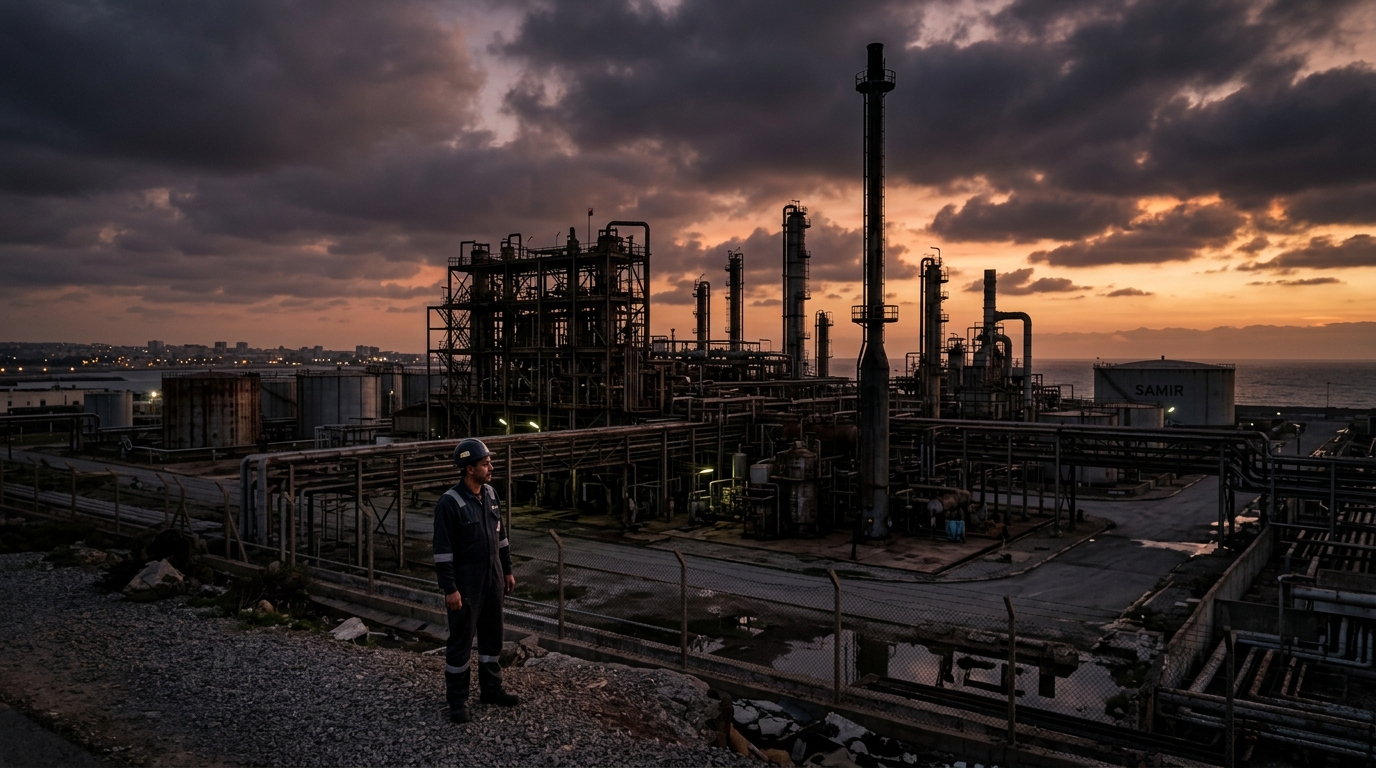
Morocco's exposure to volatile international energy markets has intensified significantly since the 2015 shutdown and subsequent liquidation of the Samir refinery in Mohammedia. Formerly processing nearly 200,000 barrels per day, the facility once shielded the Kingdom from the volatility of finished fuel markets. Today, Morocco relies almost entirely on imports for refined fuels, leaving domestic logistics and government accounts vulnerable to wide refining margins and inflated freight charges.
The Refining Margin Trap and Shipping Costs
While global benchmark crude prices such as Brent have seen periodic retreats, the domestic cost of diesel has remained stubbornly high. This divergence stems from exceptionally wide 'crack spreads'—the premium refiners charge to convert crude into finished distillates—alongside tight European and Mediterranean processing capacity. In European trading hubs, diesel prices have frequently hovered dozens of dollars per barrel above crude benchmarks due to structural refinery closures and trade route reconfigurations.
Exacerbating the price spread are maritime freight and insurance rates. Tanker day rates on key trade corridors have intermittently surged past $1.2 million, driven by extended routing and geopolitical friction. For Morocco, this translated into an import bill for gasoil and heavy fuel oil surpassing 50.7 billion dirhams across an eight-month window—a jump of nearly 45 percent—pushing the broader national energy import bill past 96.4 billion dirhams.
Broader Macroeconomic Realities in Morocco
These heightened energy costs arrive at a pivotal moment for the Moroccan economy, which is navigating sharp contrasts across sectors:
- Agricultural Drag: Consecutive years of severe drought have severely curtailed cereal yields and dam reserve levels, depressing primary sector output and dragging overall GDP growth down to around 2.5%–3.0%.
- Industrial Momentum: Conversely, non-agricultural activities demonstrate resilience. Morocco’s automotive export ecosystem—anchored by manufacturing clusters in Tangier and Kenitra—alongside the aeronautics supply chain, remain dominant drivers of manufacturing export value.
- Phosphate and Remittance Anchors: Revenues from the OCP Group's phosphate derivatives and robust diaspora remittances (MRE) have provided critical foreign exchange reserves to offset the expanding trade deficit.
- Fiscal Pressure and Inflation: Because transport fuel subsidies were previously removed, elevated diesel prices feed directly into freight, transport, and food retail prices, forcing Bank Al-Maghrib to maintain a vigilant monetary stance against domestic inflationary ripples.
The Strategic Cost of Inaction
An empirical assessment on Moroccan macroeconomic dynamics indicates that the loss of a domestic refining apparatus represents a structural drain of roughly 1.7 percent in total gross value added. While possessing an active refinery would not insulate Morocco from paying world market rates for crude inputs, it would restore crucial arbitrage flexibility. Without the capacity to switch between crude and refined petroleum based on global crack spreads, the Kingdom continues to shoulder external refining and logistics premiums during peak market strains.