
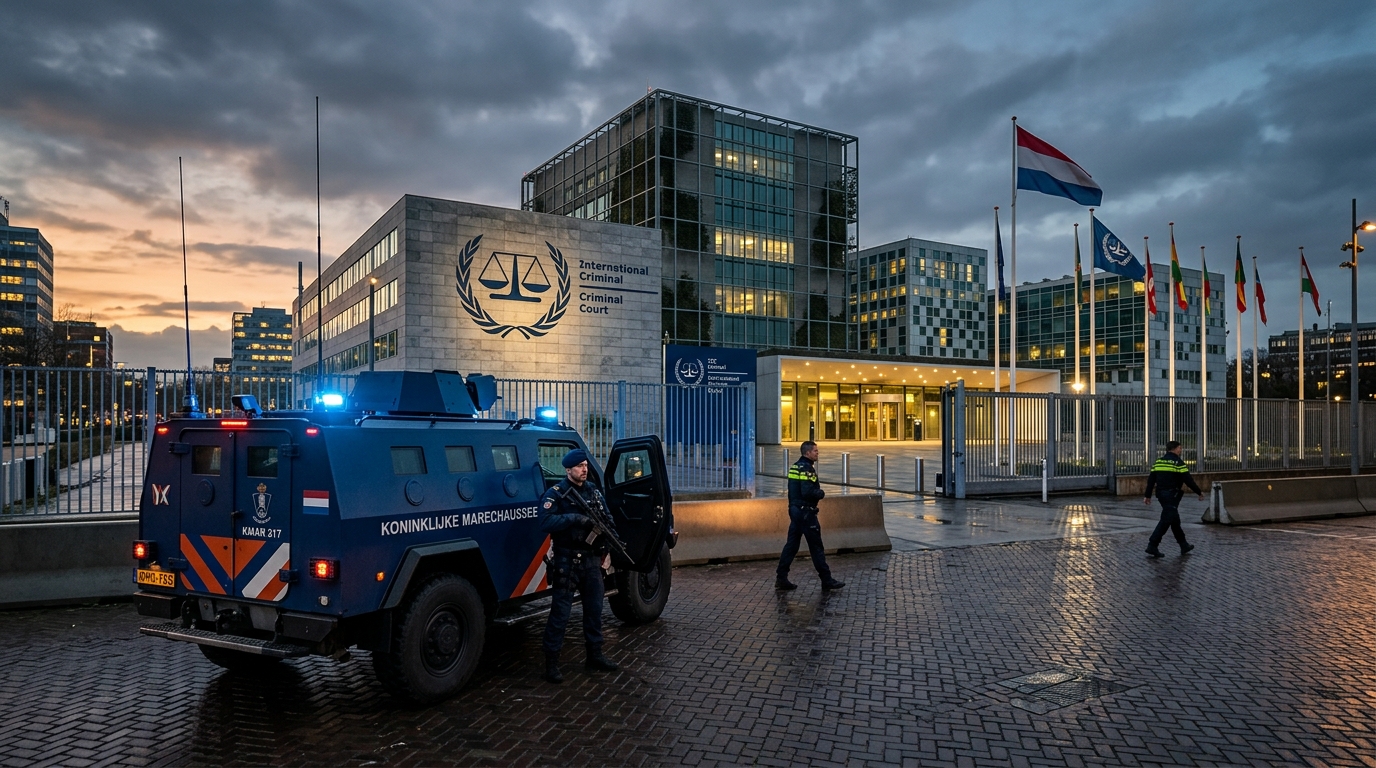
The Netherlands is deploying diplomatic channels, legal shielding mechanisms, and domestic contingency measures to keep the International Criminal Court (ICC) operational in the wake of escalating United States sanctions.
As the official host country to the tribunal, the Dutch government faces an acute diplomatic dilemma. It must uphold binding international treaty obligations under the Rome Statutewhile managing critical security and economic ties with Washington.
What The Netherlands Is Doing in Practice
The Dutch response operates across three concrete fronts: legal protection, operational contingency plans, and coordinated European diplomacy.
- Reaffirming the Host State Agreement: Under international law, the Netherlands is bound by the Headquarters Agreement with the ICC to guarantee the court’s independence, physical security, and unhindered functioning. Dutch Prime Minister Rob Jetten emphasized that the country stands firmly behind the tribunal, stating, "We will do whatever we need to defend the ICC."
- Securing Core Tribunal Operations: Dutch authorities have stepped in to insulate day-to-day tribunal operations against asset freezes and payment blocks. Contingency pathways have been mapped out to ensure staff salaries continue, detention facilities remain serviced, and the witness protection program remains intact even if international banking routes face disruption.
- Protecting Domestic Contractors: Dutch Foreign Minister Tom Berendsen publicly assured domestic vendors, IT companies, and facility managers that they can legally continue servicing the court. The Dutch government has offered administrative support to help local companies navigate foreign jurisdiction risks.
- Leveraging a Six-Month Transition Window: Intensive lobbying by Dutch diplomats helped establish a six-month grace period before enforcement takes effect. The Hague is using this critical runway for bilateral talks with the White House and State Department to prevent an operational collapse.
- Activating the European Union Shield: The Dutch cabinet is working directly with Brussels to coordinate potential use of the European Union’s Blocking Statute This regulation legally prohibits European companies from complying with extraterritorial sanctions imposed by foreign powers, creating a defensive counterweight
Why Washington Sanctioned the Court
The friction between Washington and the ICC traces back across multiple administrations, but the latest measures represent an unprecedented expansion.
The United States is not a party to the Rome Statute and has long maintained that the court lacks jurisdiction over non-member nationals. Tensions flared when the ICC pursued war crime investigations involving American service members in Afghanistan and subsequently escalated sharply over warrants issued for senior Israeli officials (including the Prime Minister) regarding operations in Gaza.
While earlier measures focused on targeted visa cancellations or sanctions against individual prosecutors, Washington broadened its stance into a wider campaign to restrict the tribunal’s broader institutional infrastructure.
The Underlying Legal Friction: The "Hague Invasion Act"
The current dispute revives the legacy of the American Servicemembers' Protection Act (ASPA) ASPA Summary, passed by the U.S. Congress in 2002. Informally dubbed the "Hague Invasion Act," the statute authorizes the U.S. President to use all necessary means—including military action—to free American or allied personnel held by the court.
While military intervention has remained purely hypothetical, the legislative machinery gives Washington extensive leeway to impose punitive economic measures against any institution aiding the ICC. For the Netherlands, defending the court is therefore not merely a technical treaty obligation, but a cornerstone of its national brand as the global capital of international peace and justice.
Looking Ahead
Over the coming months, the Dutch government’s balancing act will depend heavily on European cohesion. If Dutch and EU officials can successfully establish sanction-proof supply, IT, and financial loops, the tribunal will preserve its capacity to hold proceedings. However, should corporate service providers flee over compliance fears, the Netherlands will have to consider unprecedented direct state subsidies and emergency administrative protections to keep the doors of The Hague open.