
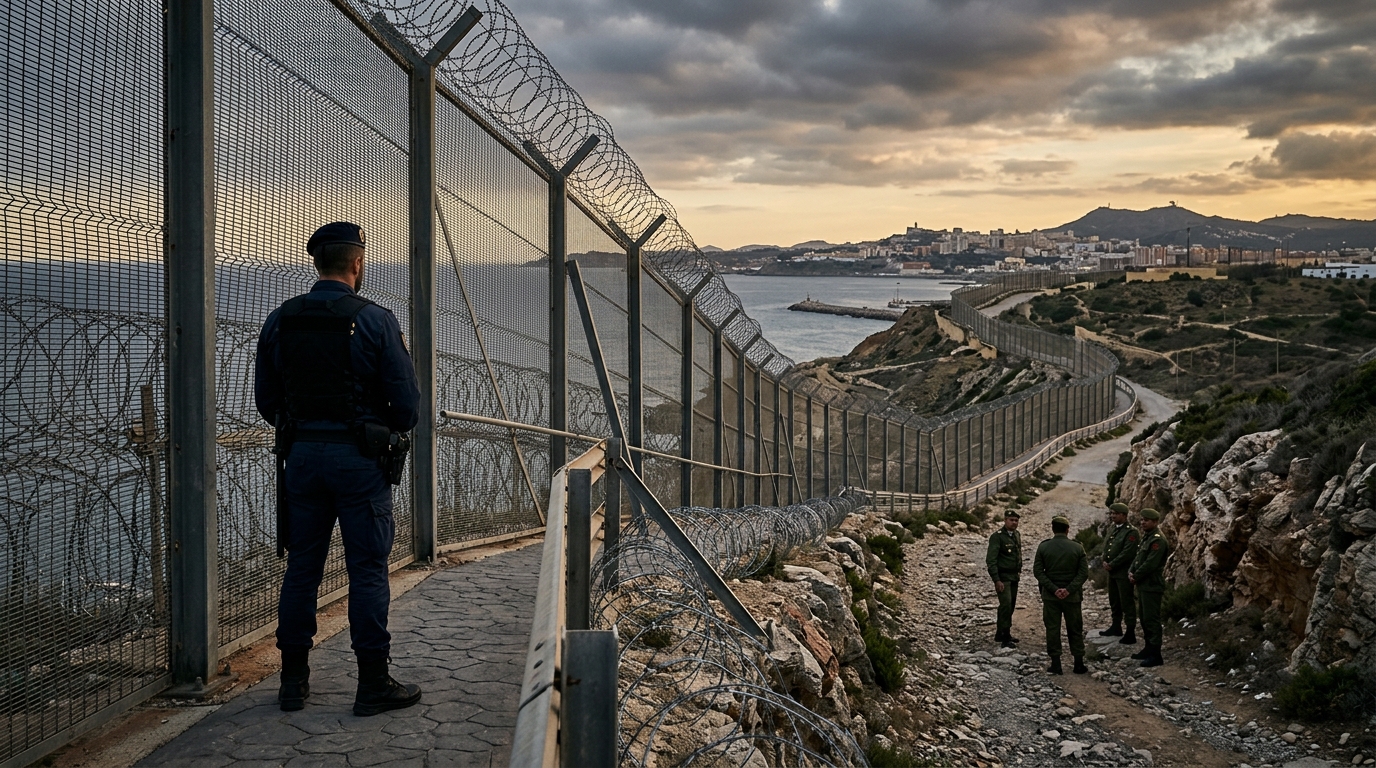
When Madrid officially announced that King Felipe VI would visit the North African autonomous cities of Ceuta and Melilla on October 13 and 14, diplomatic observers anticipated an immediate, friction-laden exchange between Spain and Morocco. The planned excursion marks the monarch's first official trip to these disputed territories since his accession to the throne in 2014. Yet, Rabat has maintained absolute diplomatic silence—a posture that underscores a deliberate doctrine of strategic patience rather than political indifference.
The Contrast: 2007 Versus Present-Day Realpolitik
Morocco's current restraint stands in stark contrast to the bilateral fallout in November 2007, when King Juan Carlos I conducted a similar visit. Within hours of that announcement, Rabat formally registered its sharp rejection and promptly recalled its ambassador to Madrid, Omar Azziman. The diplomatic rift was loud, immediate, and calibrated to appease domestic public sentiment regarding Moroccan claims over the enclaves, which have been under Spanish sovereignty since the 15th and 16th centuries.
Today, the absence of ministerial communiqués or official protests reveals how much the diplomatic landscape has shifted. Rather than signaling an abandonment of its historic claims, Rabat's quiet approach is designed to maintain working relations with Madrid while prioritizing broader geopolitical objectives.
Background: Felipe VI and Spain's Constitutional Diplomacy
To evaluate the visit's weight, King Felipe VI’s constitutional standing and personal background offer vital context. Crowned in June 2014 after the abdication of his father, Juan Carlos I, Felipe VI inherited a monarchy shaken by public controversies and institutional fatigue. Holding a Master of Science in Foreign Service from Georgetown University and extensive military training, Felipe VI has cultivated an image of meticulous institutional rectitude, moderation, and transparency.
Under the Spanish Constitution of 1978, the monarch acts as the head of state and the premier representative of the kingdom in international affairs, though foreign policy decisions remain under the executive leadership of the Prime Minister. Felipe VI has systematically pursued diplomatic balance, notably managing Madrid's sensitive links with North Africa with discretion. While traveling to Ceuta and Melilla fulfills his constitutional duty to affirm territorial continuity across all Spanish jurisdictions, his itinerary has been handled in close coordination with Pedro Sánchez’s government to avoid gratuitous inflammatory posturing.
The Primacy of the Western Sahara File
Rabat’s muted response is rooted in a fundamental pillar of Moroccan foreign policy: territorial priorities begin and end with Western Sahara. Since Spain recognized Morocco's Autonomy Plan as the most serious and credible basis for resolving the dispute in 2022, Rabat has had little incentive to jeopardize bilateral ties over peripheral issues.
Preserving Madrid’s backing on the Sahara remains critical as Morocco consolidates international support through the UN Security Council. Sparking an avoidable dispute over Ceuta and Melilla would risk empowering critical factions in Spanish politics who favor reversing Madrid’s alignment on the Sahara.
Dismantling Confrontational Narratives
The quiet response from Rabat also blunts political narratives in Spain that framed recent cross-border migration incidents in Ceuta as asymmetric pressure tactics by Morocco. By greeting the royal itinerary with silence, Moroccan authorities deny domestic political actors in Spain a pretext to stoke nationalist discord.
This restraint reflects the long-standing strategic principle framed during the reign of King Hassan II and continued under King Mohammed VI: holding to historical claims without allowing them to destroy functional neighborly partnerships.